
The Allure of Winning
The thrill of winning is one of the most powerful psychological draws in casino gaming. Players are often motivated by the potential for large payouts, which can create euphoric feelings and a sense of accomplishment. This allure is heightened by the unpredictable nature of games, where every spin of a slot machine or shuffle of a card presents an opportunity for unexpected rewards. For more insights into the best platforms, you can refer to our online betting guide, which also discusses the excitement associated with winning big and the intoxicating nature of gambling.
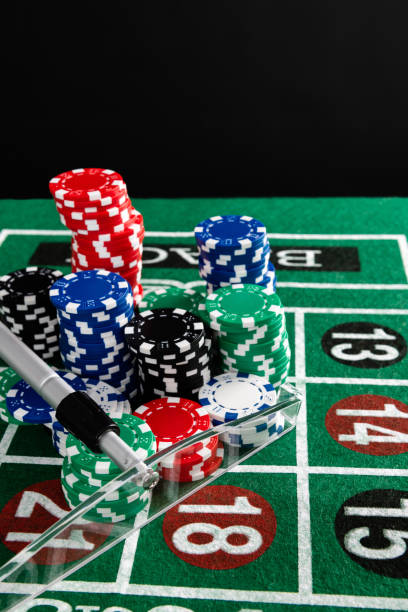
Moreover, the psychology of reinforcement plays a crucial role. When players experience wins, no matter how small, they receive a dopamine rush, reinforcing their desire to continue playing. This creates a cycle where the anticipation of winning drives engagement, leading players back to the casino for more opportunities to replicate that high.
The Role of Social Interaction
Casinos are social environments that foster interaction among players, which adds another layer to the gaming experience. People often enjoy sharing their stories, strategies, and outcomes with others, creating a sense of community. The social aspect not only makes gaming more enjoyable but also contributes to the overall psychological appeal. Many players form connections with others who share similar interests, making visits to casinos more than just about the games—they become about the relationships formed as well.
Live gaming tables, in particular, enhance this social element. Players often engage with dealers and fellow gamers, which can lead to a more immersive experience. This social interaction can provide comfort and excitement, making players more likely to return for not just the gaming, but for the camaraderie it fosters.
The Excitement of Escape
Casino gaming often serves as a form of escapism for many individuals. Players may turn to casinos as a way to temporarily escape the stressors of everyday life. The vibrant atmosphere, the sounds of the games, and the overall excitement can transport players away from their daily challenges, creating an enticing environment. This form of escape can be a significant motivator, as players seek moments of thrill and distraction.
Moreover, the immersive design of casinos, from their lighting to their layout, is meticulously crafted to enhance this experience, making it easy for players to lose track of time. This sensory overload can lead to a state of flow, where players become fully engaged in the experience. As a result, they often come back seeking that same level of excitement and escape from reality.
The Psychological Impact of Loss
The relationship between players and their losses is complex and can further drive their return to gaming. Many players fall into the trap of the “sunk cost fallacy,” where they continue to gamble to recover losses, believing that they can eventually turn their luck around. This belief can fuel a cycle of repeated visits as they chase previous losses, hoping that their next session will yield the winning results they desire.
Furthermore, the emotional responses associated with losses can be profound. Many players experience a mix of disappointment and determination, compelling them to return in search of redemption. This emotional push can often outweigh the logical considerations of their past gaming experiences, keeping players entranced and eager to engage once more with the games.

About Our Website
Our website provides valuable insights into the world of casino gaming, exploring not only the mechanics of the games but also the psychological factors that influence player behavior. We delve deep into the fascinating interplay of excitement, social interaction, and emotional responses to understand what keeps players coming back to casinos.
Through comprehensive articles and expert analysis, our goal is to equip both seasoned players and newcomers with the knowledge needed to navigate the gaming landscape effectively. Join us as we explore the rich tapestry of the casino experience, illuminating the psychological undercurrents that drive engagement and loyalty in this captivating industry.